A History of Countertops: From Formica to Granite and Quartz
Granite and quartz feel like a permanent fixture in American kitchens today. But that wasn’t always the case.
For most of the 20th century, the countertop in a typical American home looked nothing like it does now. Here is how we got from plain wood counters to the granite and quartz surfaces so common today.
Before the 1900s: Function Over Style
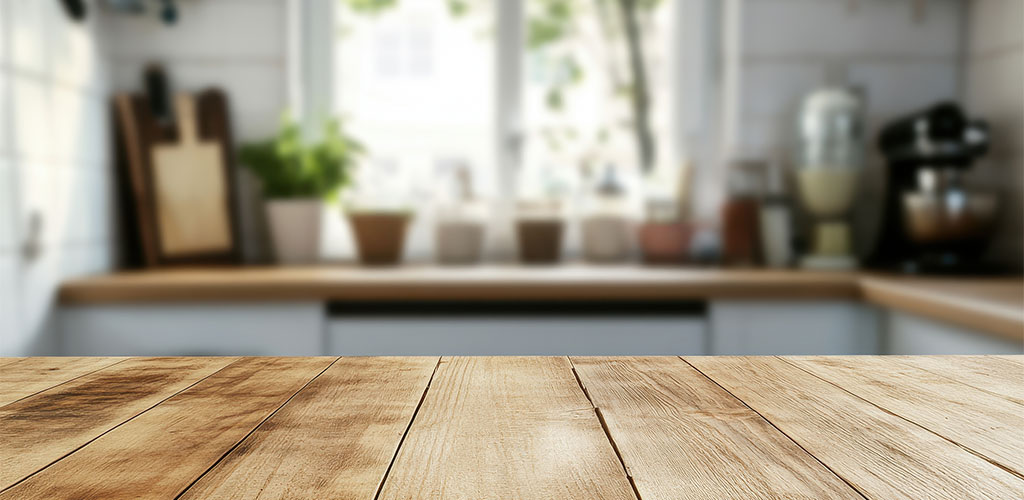
Early American kitchens were built for work, not looks. Countertops were simple, sturdy wood, with little thought given to appearance.
Luxury materials like marble and fine wood did exist, but they were reserved for wealthy homes, and usually only in parlors or formal serving areas guests would actually see. The kitchen itself stayed plain.
The Laminate Era: 1950s to 1980s
Laminate, best known by the brand name Formica, completely took over American kitchens in the mid-20th century. At its peak, laminate countertops appeared in more than 90 percent of American homes.
It made sense. Laminate was affordable, durable, and easy to produce in nearly any color or pattern. It defined the look of the American kitchen for decades.
The 1970s added its own personality to the trend. Earth tones, woodgrain patterns, and bold colors like avocado green and harvest gold became kitchen staples. Ceramic tile also grew popular during this decade, along with a brief butcher block revival.
Granite Makes Its First Appearance
Granite had actually been used in the United States for over a century, mostly for monuments, government buildings, and other large-scale construction. Getting it into a kitchen was a different story.
Cutting and shipping granite slabs was expensive and difficult well into the 20th century. That started to change in the 1980s, as diamond blade cutting technology and more efficient shipping made it possible to produce thin, polished granite slabs at a reasonable cost.
At first, granite countertops were a luxury feature, found mainly in custom homes and high-end builds.
Granite Goes Mainstream: 1990s to 2000s
Through the 1990s, granite countertops became more available and more affordable. Global quarry access expanded, and home improvement media, magazines, television shows, and eventually entire renovation networks, put granite kitchens in front of everyday homeowners.
The growth was dramatic. Granite usage in the United States jumped from around 200,000 metric tons in 1996 to 2.6 million metric tons by 2008. By the mid-2000s, granite countertops appeared in more than half of all new homes built in the country.
Granite had officially gone from luxury feature to expected standard, peaking in popularity somewhere around 2005 to 2010.
The Quartz Takeover
Right around that same peak, a new competitor started gaining ground. Engineered quartz, made from crushed natural quartz combined with resins, began picking up serious market share around 2008 to 2010.
Quartz offered something granite couldn’t: near-zero maintenance. No sealing, no porous surface to worry about, and consistent color from slab to slab.
That pitch worked. By 2018, quartz had officially overtaken granite as the most specified countertop material in new home construction across the country.
Where Things Stand Today
Granite never disappeared, and it’s still a popular, trusted choice for homeowners who want the natural variation only real stone can offer. But it now shares the spotlight with quartz, quartzite, marble, and even porcelain, each material carving out its own place based on style, budget, and how much maintenance a homeowner wants to deal with.
If you’re curious how these materials actually get from the ground to your kitchen once you’ve picked one, our guide on the journey from quarry to kitchen walks through that process step by step.
History Of Countertops In America
From plain wood counters to laminate, from granite’s slow rise to quartz’s rapid takeover, the American countertop has never stopped evolving. At American Granite Tops, we’re proud to be part of the next chapter, helping homeowners throughout Metro Detroit choose materials that fit their kitchen and their life today.
We proudly serve homeowners and businesses throughout Oakland, Macomb, Wayne, St. Clair, Livingston, and Genesee counties.
Frequently Asked Questions
When did granite countertops become popular in America?
Granite entered the residential market as a luxury material in the 1980s and became mainstream through the 1990s, reaching peak popularity between roughly 2005 and 2010.
What did countertops look like before granite?
For most of the 20th century, laminate (commonly known by the brand name Formica) was the dominant countertop material, appearing in more than 90 percent of American kitchens at its peak between the 1950s and 1980s.
Why did quartz overtake granite in popularity?
Quartz offers a low-maintenance alternative to granite. It doesn't require sealing and resists stains more consistently, which appealed to homeowners looking for convenience. By 2018, it had become the most specified countertop material in new home construction.
Is granite still a good choice today?
Yes. Granite remains a popular, durable choice, especially for homeowners who want the unique natural veining and color variation that only real stone can offer.
What countertop materials are trending now?
Quartz, quartzite, marble, and porcelain are all common choices today, alongside granite, each offering a different balance of appearance, durability, and maintenance.